August 2022

Rivian electric trucks will automatically level with new Camp Mode feature

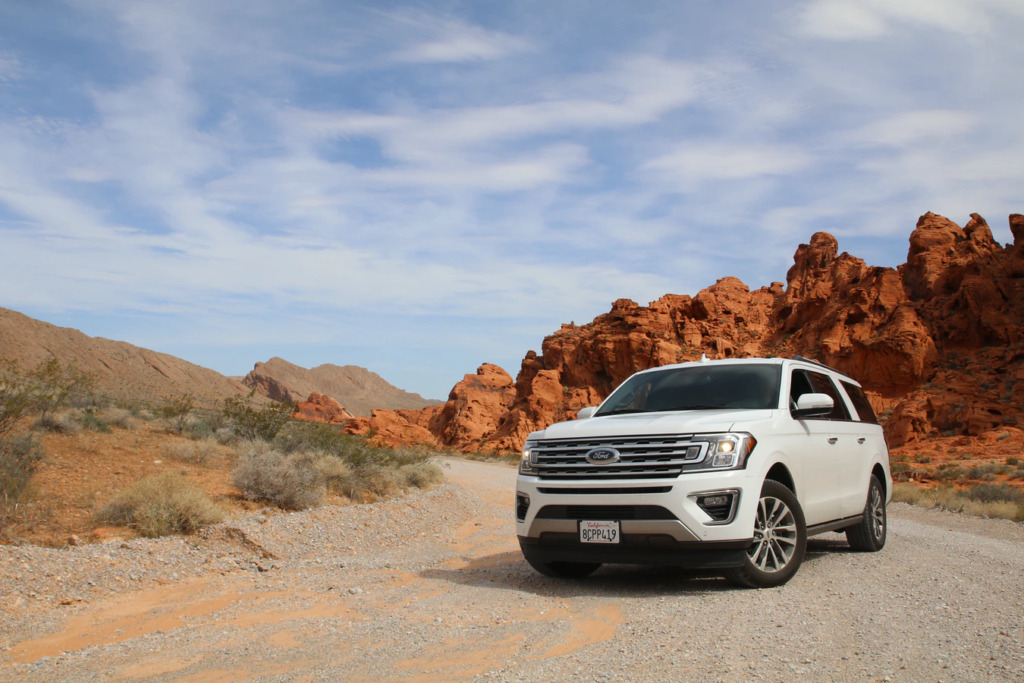
Rivian CEO RJ Scaringe has teased another new feature for the R1T electric pickup truck and R1S electric SUV aimed at outdoor adventures. Camp Mode will prep vehicles for overnight stays in the woods by shutting off screens, conserving battery power, activating flood lights, and automatically leveling the suspension to provide a flat sleeping… Source: […]

Rivian electric trucks will automatically level with new Camp Mode feature Read More »

Kenworth pursues both BEVs and FCEVs

For heavy-duty truck manufacturer Kenworth, adoption of zero-emission trucks is seen as inevitable—the shift is being driven by both regulatory requirements and economic benefits. Speaking at a recent press event, Kenworth executives outlined the company’s electrification strategy, which includes investigating both battery-electric and hydrogen fuel cell technologies. As Fleet Owner reports, 17 US states and

Kenworth pursues both BEVs and FCEVs Read More »

Axial-flux motor firm Magnax closes $20-million funding round

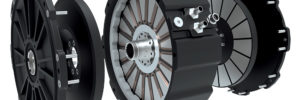
Magnax has closed a €20-million ($19.97 million) funding round. The company says it plans to use the funds “to accelerate product development, grow the engineering team and expand support for customers and partners.” Magnax has patented a single-stator, dual-rotor axial-flux motor that directly cools the windings. According to the company, the motor “delivers the most

Axial-flux motor firm Magnax closes $20-million funding round Read More »

Researchers say electric ships could economically serve 40% of today’s sea routes

Oceangoing ships, most of which are powered by heavy fuel oil, produce substantial amounts of CO2 and nitrogen oxide emissions. However, shipping companies are unlikely to begin electrifying them until the economic case for doing so becomes clearer. A new study from the University of California, Berkeley and Lawrence Berkeley National Laboratory indicates that nearly

Researchers say electric ships could economically serve 40% of today’s sea routes Read More »

Translate »